Five pillars of grassroots intervention.
Women’s Empowerment & Skill Development
One-Year Diploma in Tailoring – 2017
Empowering Rural Women Through Practical Skills and Livelihood Opportunities
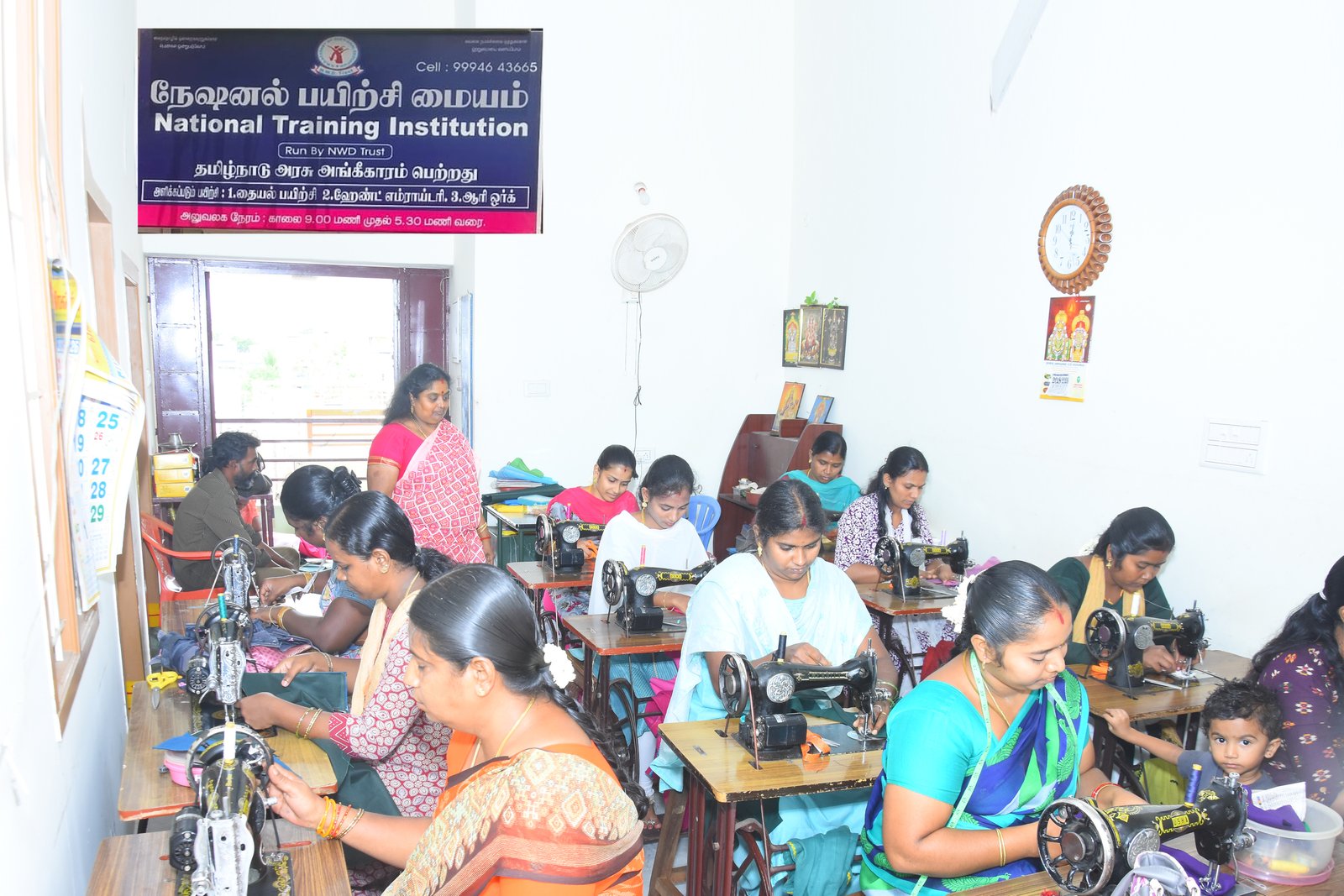
National Women Development Trust (NWDT) has consistently promoted women’s economic empowerment by creating opportunities for women to acquire practical, market-oriented vocational skills. One such initiative was the One-Year Diploma in Tailoring conducted in 2017, which supported 61 women with structured training in tailoring and garment-making skills.
The programme was conducted in collaboration with Bharathiya Seva Samaj (BSS) and the National Training Centre, combining vocational education with hands-on practical learning. The training was designed to help women develop skills that could be applied directly to household-based livelihoods, employment and small-scale enterprise.
Building Skills for Sustainable Livelihoods
For many rural women, access to formal vocational education and employment opportunities can be limited by household responsibilities, financial constraints and lack of local training facilities. Tailoring provides a practical livelihood option because it can be undertaken from home or through small community-based enterprises.
The diploma programme therefore focused not only on learning a technical skill but also on creating a pathway towards greater economic participation and self-reliance.
Participants gained practical exposure to areas of tailoring and garment preparation, enabling them to improve their confidence and explore opportunities such as taking stitching orders, working with tailoring units or developing small home-based enterprises.
Women at the Centre of Development
NWDT approaches skill development from a social inclusion perspective. Women from rural and underserved communities can benefit from vocational education when training is accessible, practical and connected to livelihood opportunities.
The programme contributed to:
- Development of practical tailoring skills
- Increased confidence among participating women
- Opportunities for home-based income generation
- Strengthening of women’s livelihood options
- Exposure to structured vocational education
- Encouragement towards self-employment and micro-enterprise
From Training to Livelihood
NWDT’s experience demonstrates that vocational training can become an important stepping stone towards economic independence. Skills acquired through programmes such as tailoring can continue to support women beyond the completion of the training period.
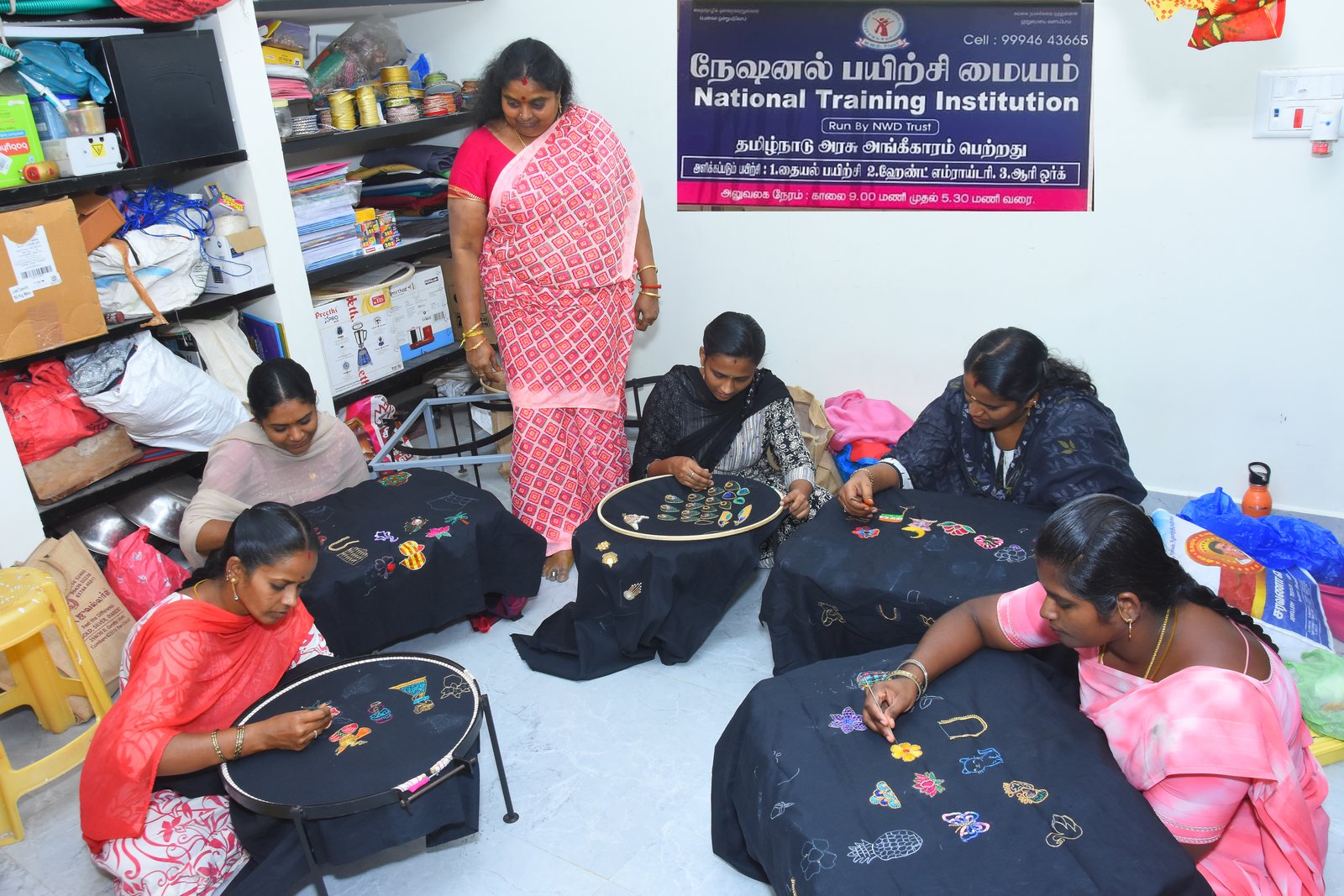
The organisation continues to build on this experience through tailoring, hand embroidery, Aari work, entrepreneurship, digital literacy and livelihood development initiatives, with an emphasis on helping rural women move from training to productive economic activity.
Women’s Self-Help Groups
Independence Day Programme – 2011
Strengthening Community Connections Through Women’s Self-Help Groups
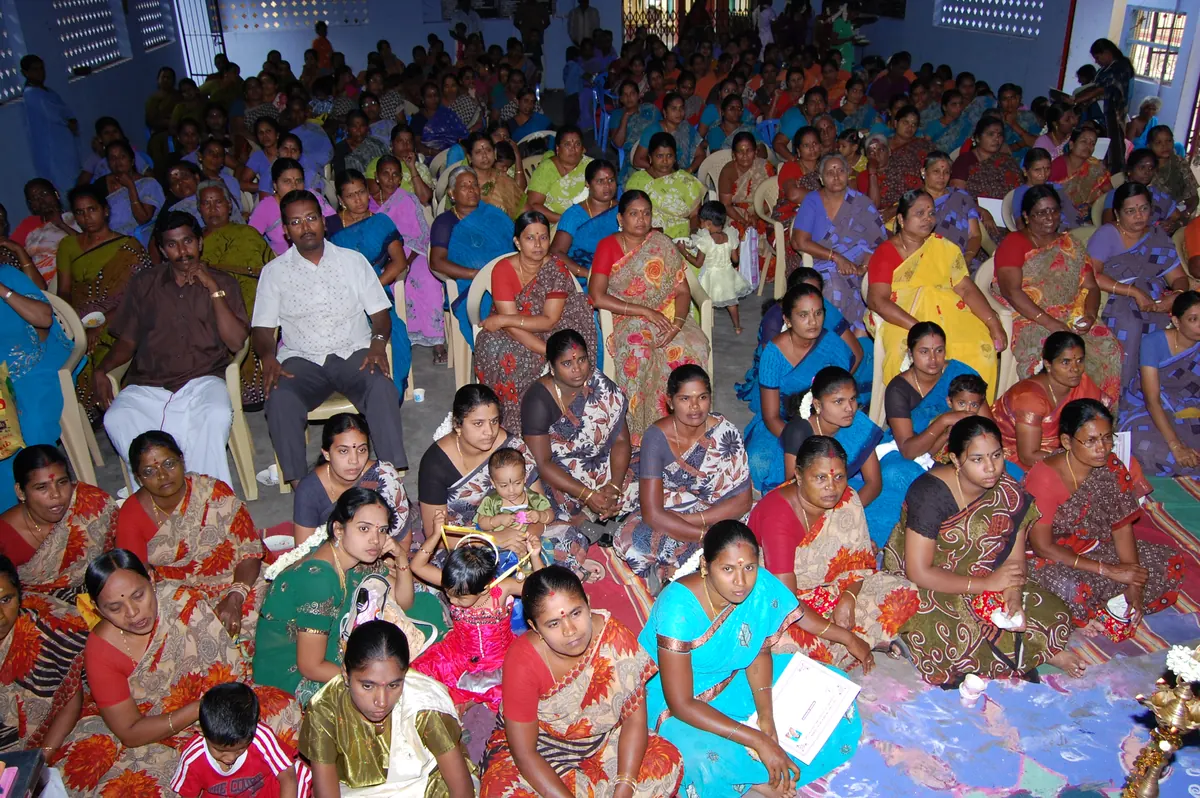
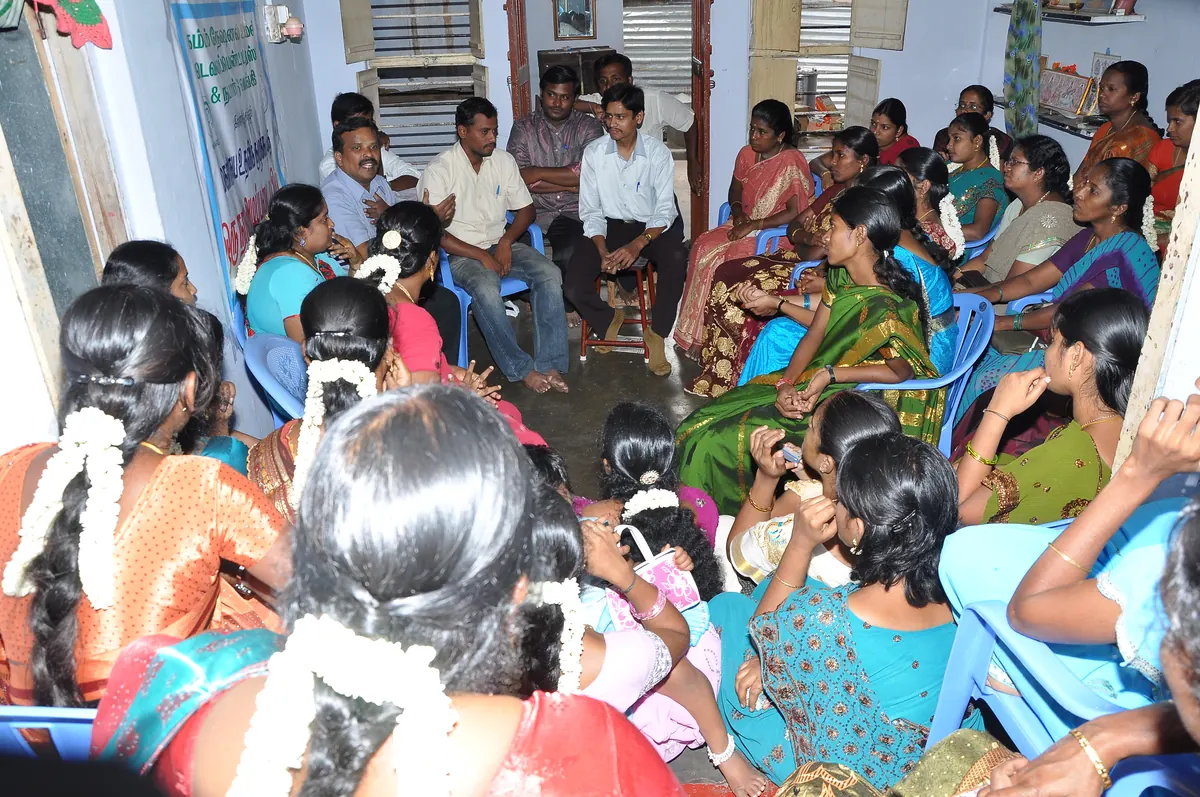
Women’s Self-Help Groups (SHGs) have played an important role in promoting community participation, mutual support and livelihood development among rural women. NWDT has worked with women’s groups to encourage collective action and strengthen the social and economic participation of women in their communities.
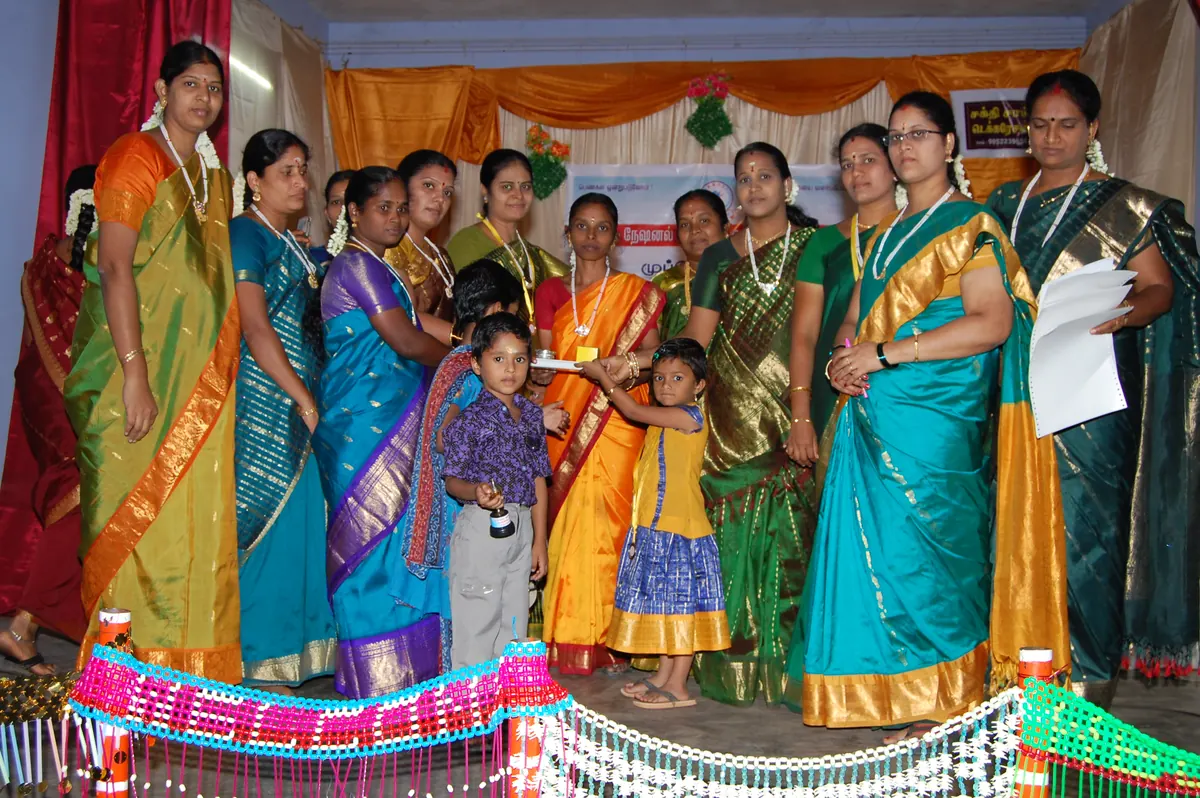
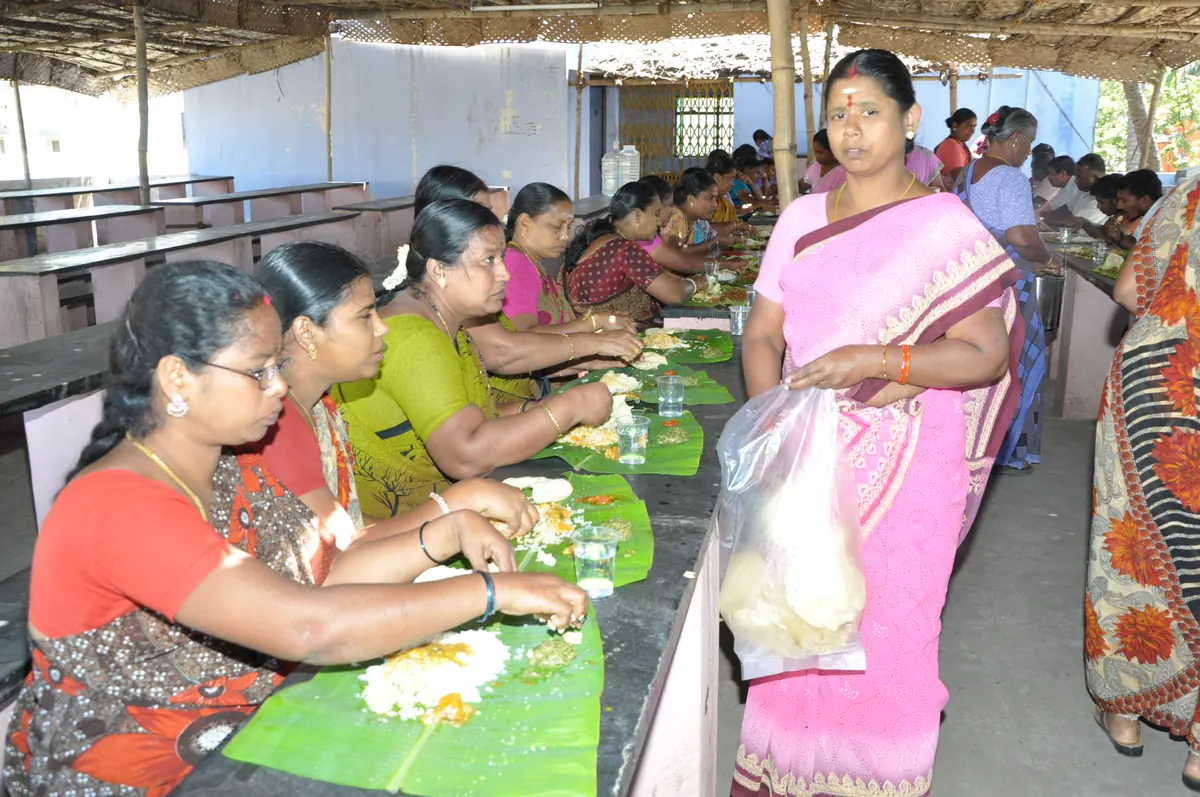
As part of the Independence Day celebration in 2011, NWDT organised a community programme involving members of Women’s Self-Help Groups. The programme included the provision of lunch to participating SHG members and created an opportunity for women from different groups to come together and participate in a common community celebration.
Building a Culture of Participation
For NWDT, community programmes are not limited to one-day events. They provide opportunities to bring together women who are already involved in collective activities and create spaces for interaction, solidarity and recognition.
SHGs can serve as important platforms through which women share experiences, discuss livelihood concerns, access information and strengthen their ability to participate in local development processes.
The Independence Day programme reflected this broader approach by bringing women together in an inclusive community setting.
Women’s Collective Strength
NWDT’s work with SHGs has evolved around several areas of community and livelihood development, including:
- Group formation and strengthening
- Leadership and participation
- Livelihood development
- Financial awareness
- Savings and collective action
- Linkages with institutions and local systems
- Entrepreneurship and income-generation opportunities
- Community-level awareness and mobilisation
Through such activities, women are encouraged to participate not only as beneficiaries but also as active members of their communities.
Social Inclusion and Community Development
A strong SHG network can help create social connections among women, particularly those who may experience economic or social disadvantages. Collective platforms can provide opportunities to share knowledge, access support and participate in decisions affecting their families and communities.
NWDT’s approach places importance on reaching women from underserved rural communities and creating opportunities for their meaningful participation.
Continuing the SHG Journey
The 2011 Independence Day programme represents one of the community-based initiatives in NWDT’s journey of working with women and their collectives. Over the years, the organisation has continued to promote women’s livelihoods, vocational skills, entrepreneurship and community leadership.
Today, NWDT continues to view SHGs and community groups as important platforms for strengthening women's agency, livelihood security and participation in local development.
Child Development & Youth Leadership
Saraswathi Pooja – Educational Support for Children – 2016
Supporting Children Through Education, Care and Community Participation
Children’s education is an important foundation for building inclusive and resilient communities. National Women Development Trust recognises that children from economically vulnerable families can face barriers in accessing educational materials and learning opportunities.
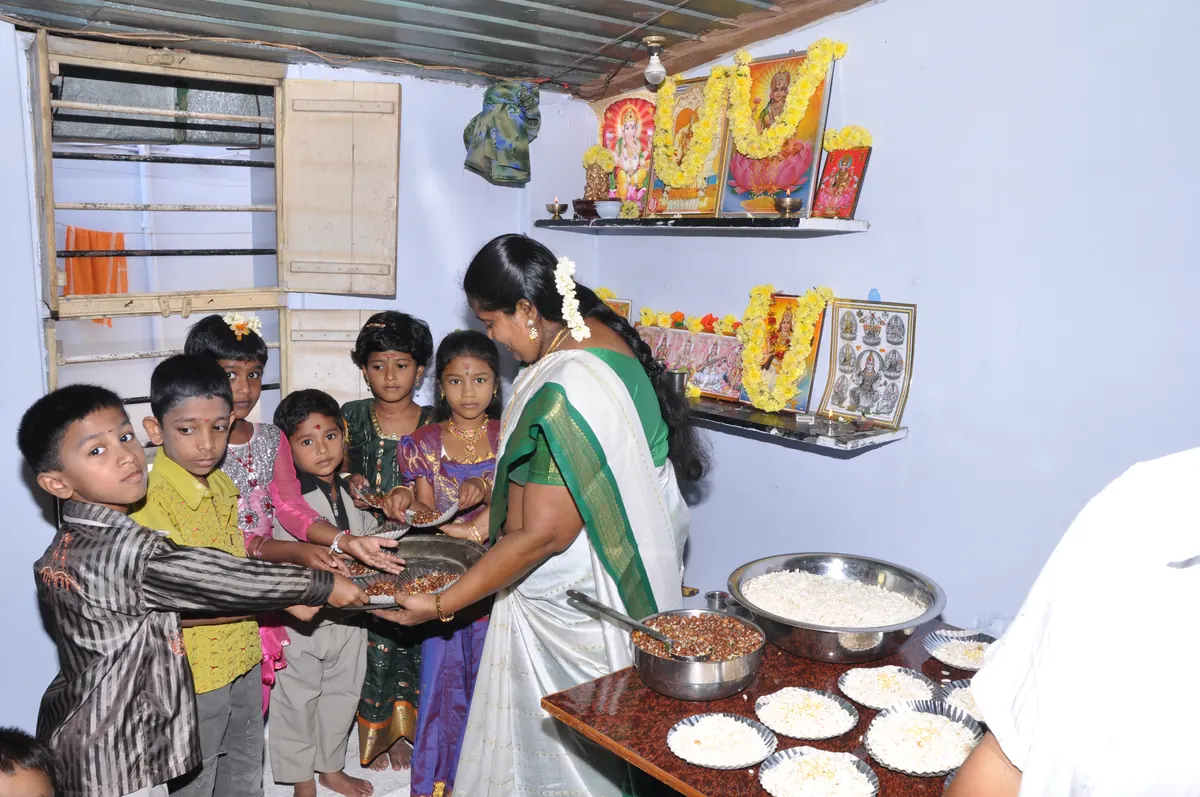
In 2016, NWDT organised a Saraswathi Pooja educational support programme for children, providing educational materials to children as part of the celebration. The programme combined a traditional community occasion with a practical focus on supporting children's learning.
Making Community Celebrations Meaningful
Saraswathi Pooja is traditionally associated with learning, knowledge and education. NWDT used the occasion as an opportunity to encourage children and recognise the importance of education in their lives.
Educational materials distributed through the programme were intended to support children's learning needs and encourage families and communities to value education.
The programme also created an opportunity for children to participate in a positive community environment and experience encouragement from adults, community members and the organisation.
Supporting Children’s Learning
NWDT's child and youth development approach recognises that educational support extends beyond the classroom. Children benefit from:
- Access to basic educational materials
- Encouragement to continue their education
- Supportive family and community environments
- Opportunities for participation
- Development of confidence and leadership qualities
- Exposure to positive learning experiences
Such interventions can be particularly meaningful for children from rural and economically vulnerable households.
From Educational Support to Youth Leadership
NWDT's work with children is connected to its wider commitment to developing young people as confident and responsible members of society. Education can provide children with knowledge, while participation and leadership opportunities help them develop communication, confidence and decision-making abilities.
The organisation's broader child and youth development efforts therefore seek to create supportive environments where children and young people can learn, participate and develop their potential.
A Continuing Commitment
The 2016 Saraswathi Pooja programme is part of NWDT's community-based history of supporting children and families. By linking educational assistance with community participation, NWDT continues to promote the idea that every child should have the opportunity to learn, grow and participate in community life.
Women’s Livelihood & Skill Development
Saraswathi Pooja at NWDT Tailoring Unit
Celebrating Learning, Skills and Women’s Livelihoods
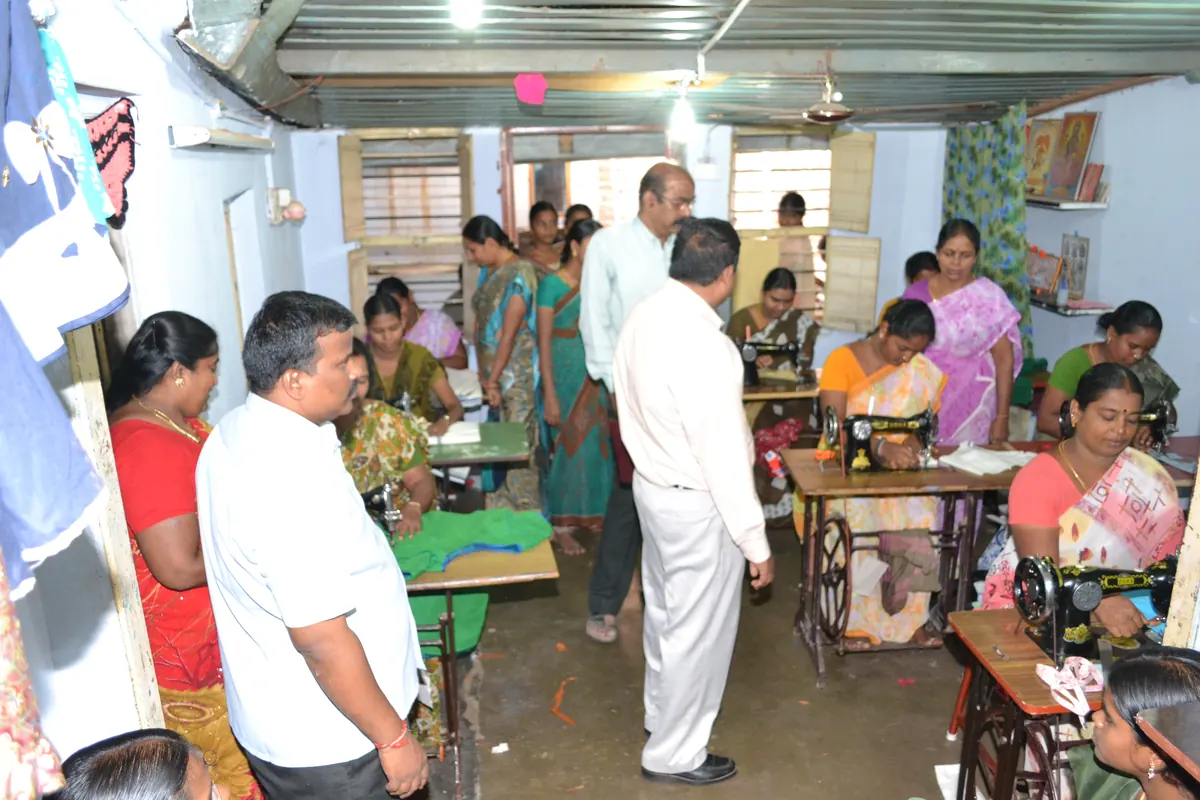
At NWDT, the development of practical skills is closely connected with the organisation’s commitment to women’s livelihood development. The NWDT Tailoring Unit provides a space where women can learn, practise and strengthen vocational skills that can contribute to employment and income-generation opportunities.
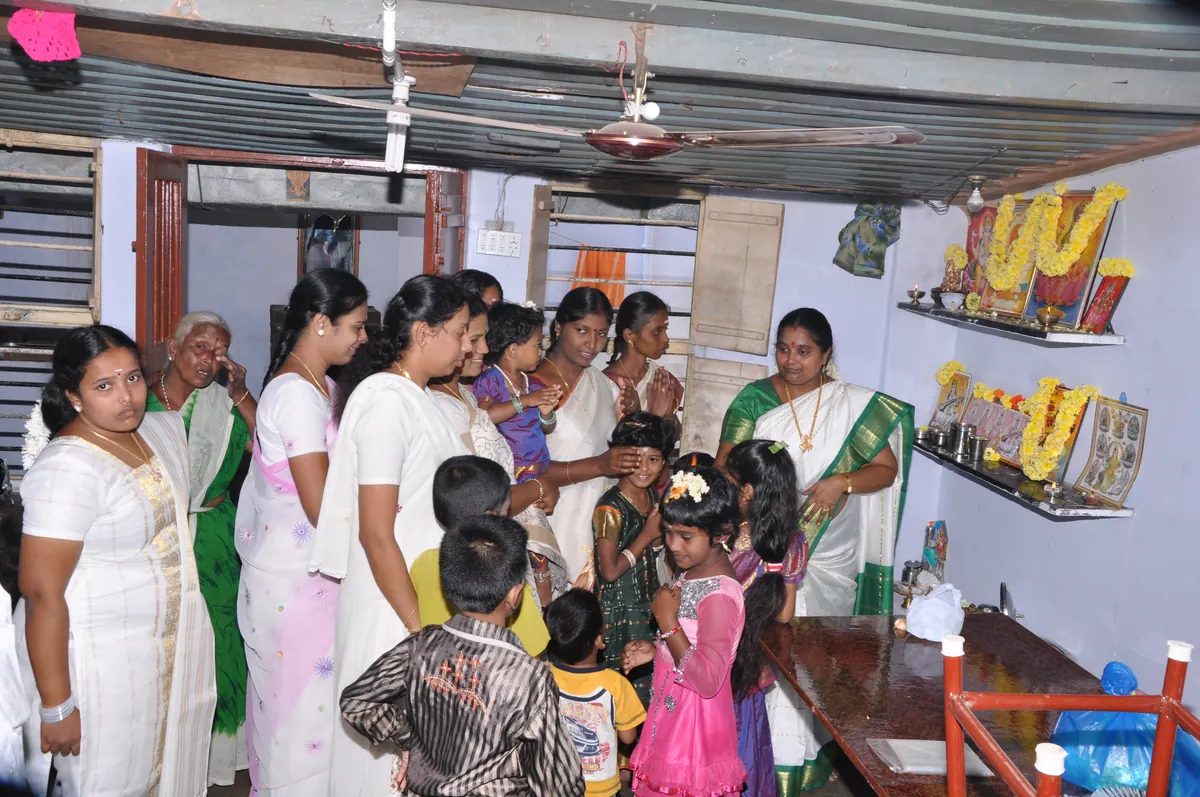
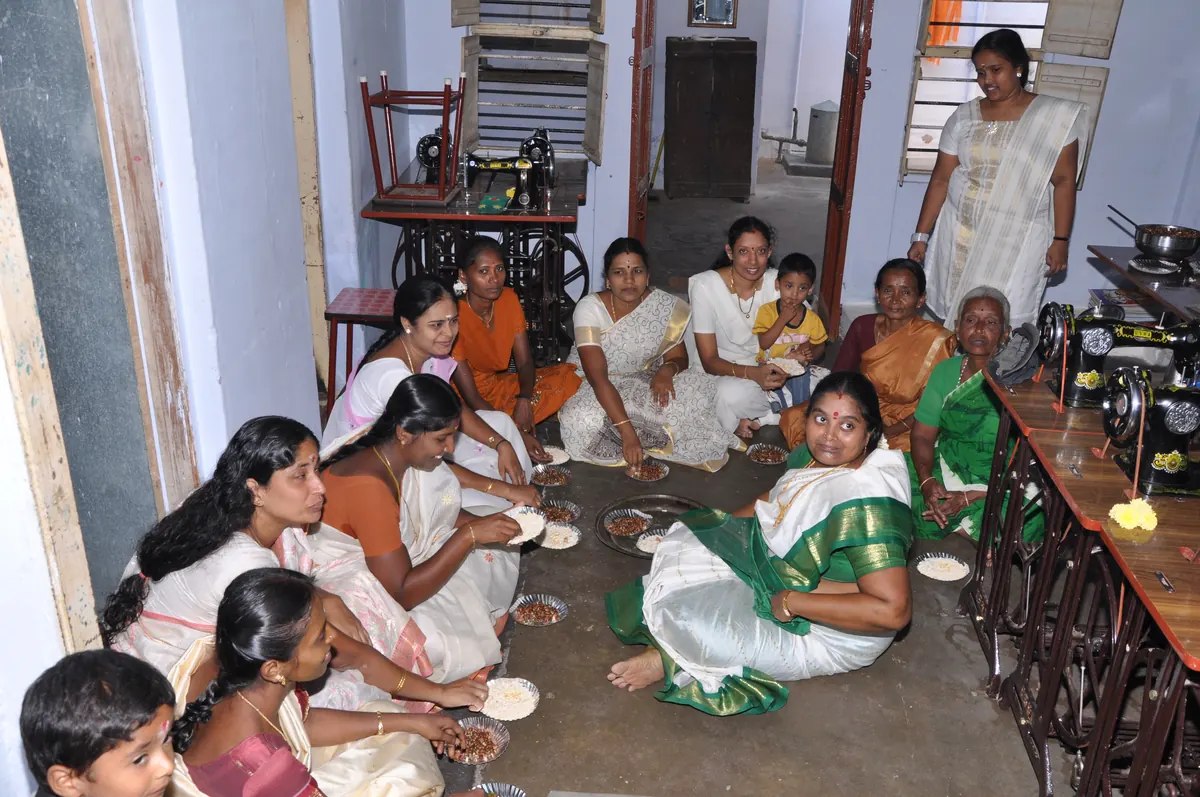
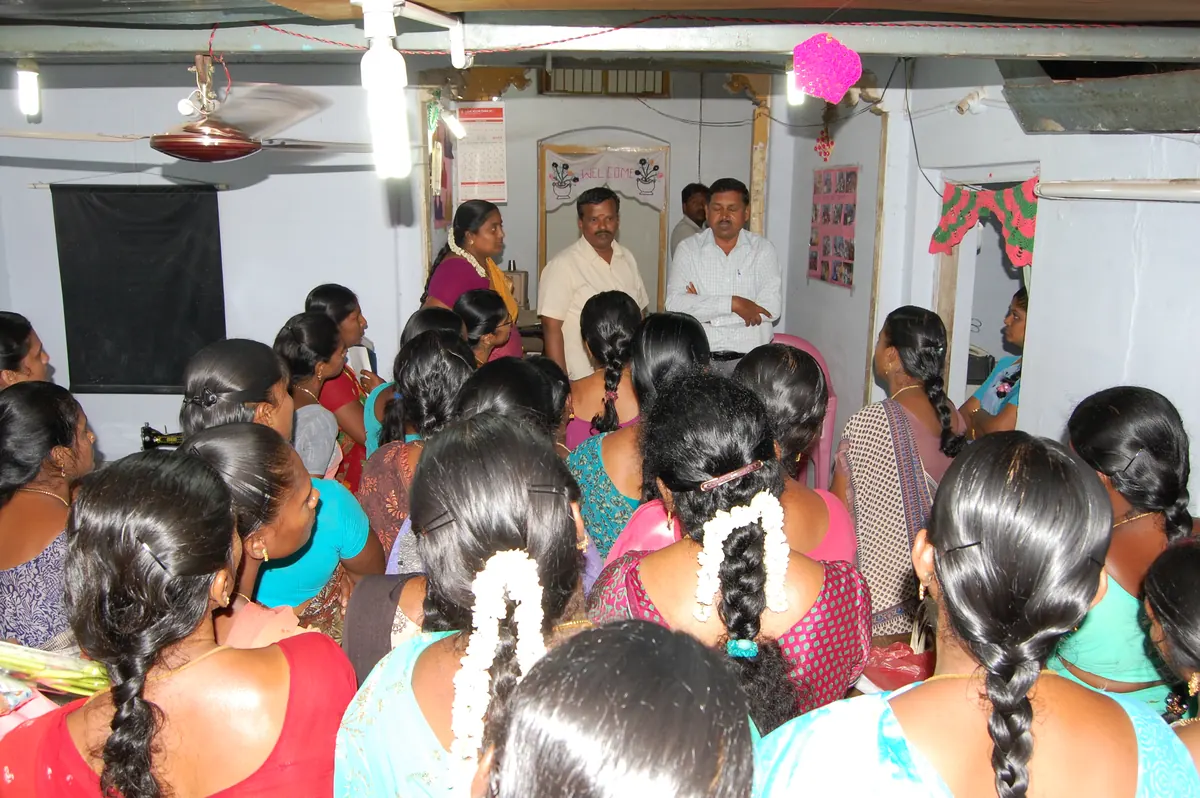
The Saraswathi Pooja celebration at the NWDT Tailoring Unit reflected the organisation’s appreciation of learning, knowledge and skill development. The occasion brought together women associated with the tailoring and livelihood activities in a community-oriented environment.
Learning as a Pathway to Empowerment
For rural women, vocational skills can provide practical pathways towards greater economic participation. Tailoring is particularly relevant because it can be developed as a home-based occupation, employment opportunity or small enterprise.
NWDT's skill-development approach includes areas such as:
- Fabric selection
- Pattern drafting and cutting
- Garment construction
- Stitching
- Hand embroidery
- Machine operation and maintenance
- Product finishing
- Basic pricing and order management
- Market orientation
- Entrepreneurship development
These skills can help women move beyond training and explore practical livelihood opportunities.
Creating Opportunities for Rural Women
NWDT gives particular importance to women from underserved communities, including women seeking home-based livelihood options. Skill development can be especially valuable for women who have limited access to formal employment because of family responsibilities or local employment constraints.
The tailoring unit therefore represents more than a training space. It can serve as a platform for learning, confidence-building, peer interaction and livelihood development.
Celebrating Women’s Skills
The Saraswathi Pooja programme at the tailoring unit provided an opportunity to recognise the importance of knowledge and learning while strengthening the sense of community among women participants.
Such occasions help reinforce a simple but important message: skills are valuable assets, and learning can create new possibilities for individuals and families.
Looking Ahead
NWDT continues to strengthen its vocational training initiatives through tailoring, hand embroidery, Aari work, digital literacy, entrepreneurship and livelihood-oriented training.
The organisation aims to connect training with practical opportunities so that women can use their skills for employment, self-employment, home-based enterprises and improved household livelihoods.
Vocational Training & Certification
Diploma Training & Certificate Distribution
Recognising Skills, Achievement and New Livelihood Opportunities
Vocational education becomes meaningful when learners can demonstrate the skills they have acquired and receive recognition for their efforts. NWDT has supported women through structured vocational training programmes designed to provide practical skills and improve access to livelihood opportunities.
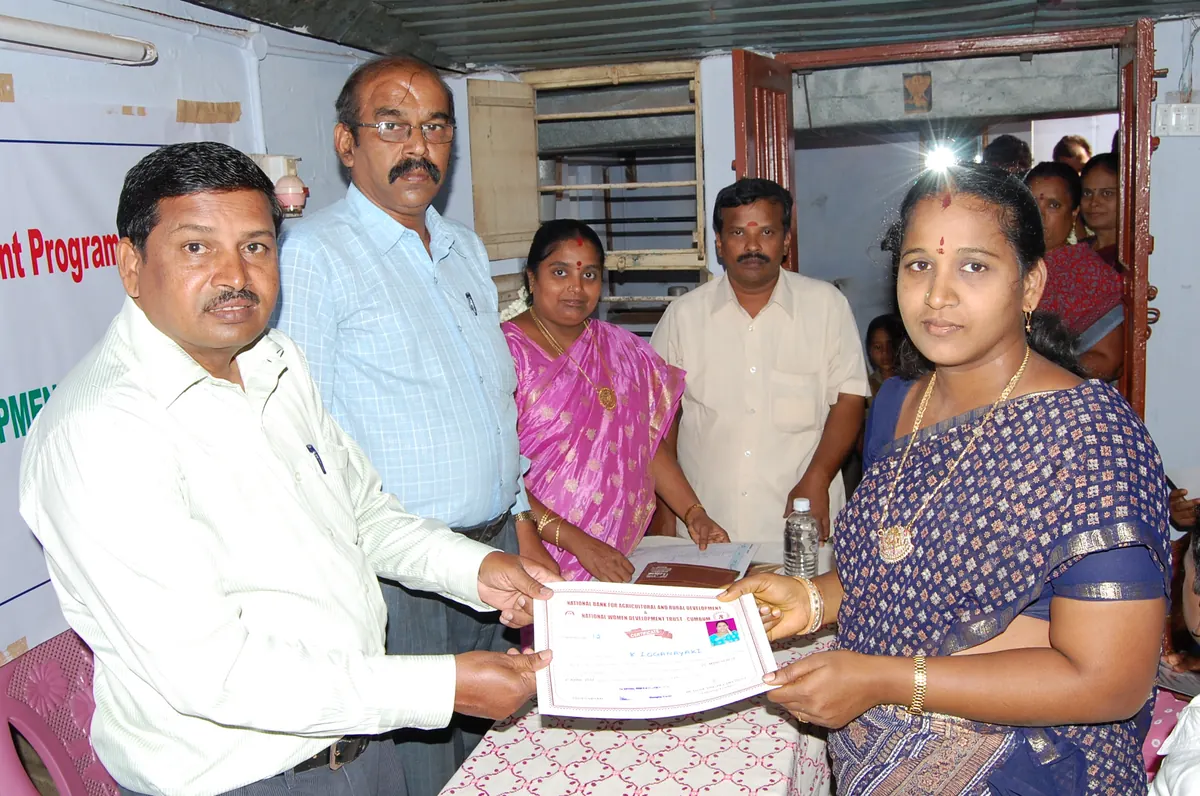
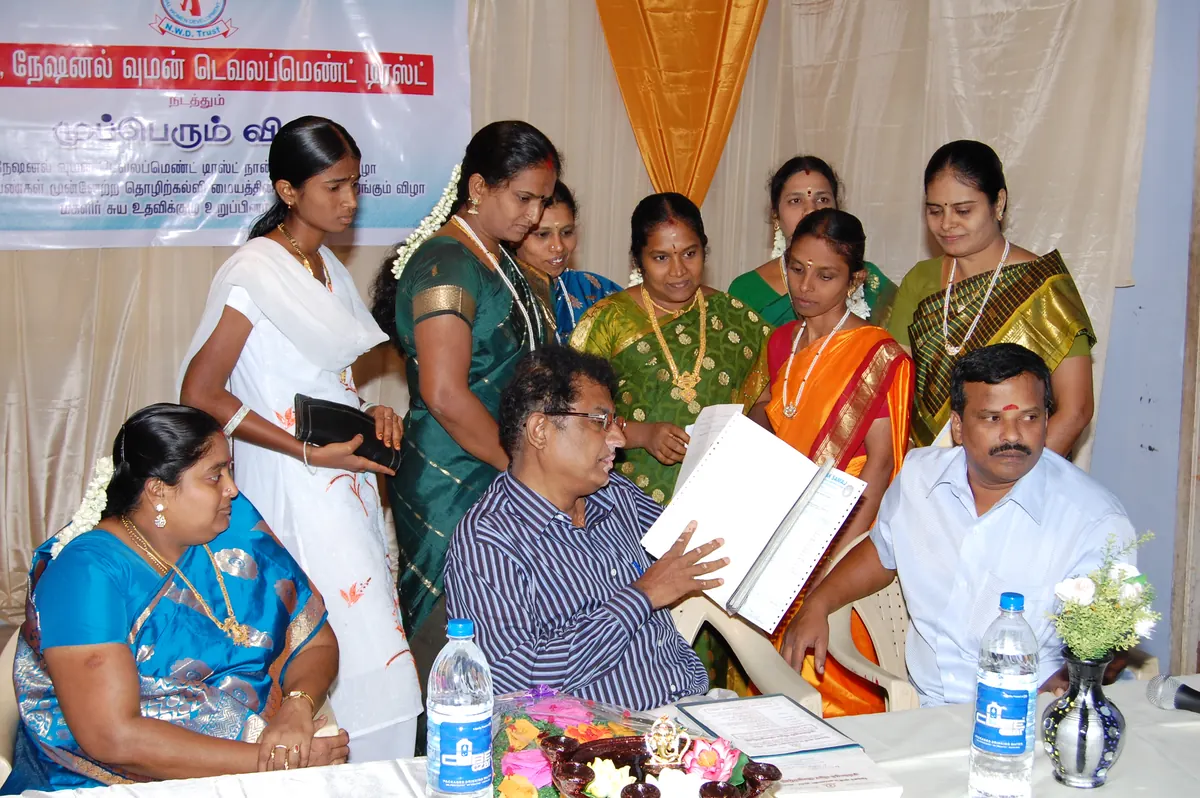
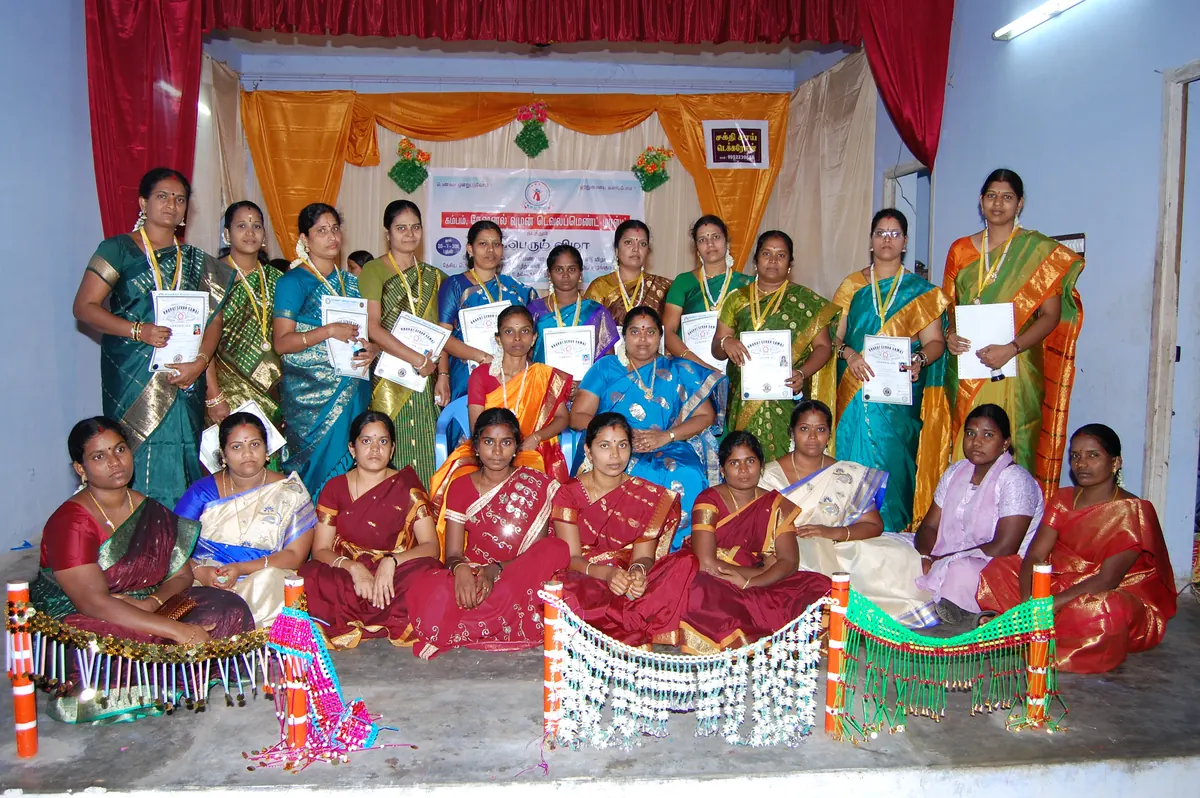
The Diploma Training programme conducted in collaboration with Bharathiya Seva Samaj (BSS) and the National Training Centre provided participants with an opportunity to complete structured training in tailoring. The successful completion of the programme was marked through a certificate distribution programme, recognising the efforts and achievements of the participating women.
From Learning to Recognition
Receiving a training certificate can be an important milestone for women who may not previously have had access to formal vocational education. It provides recognition of the learning process and can strengthen participants’ confidence when seeking employment, taking tailoring orders or exploring self-employment.
The certificate distribution programme also provided an opportunity for participants, trainers, partners and community representatives to come together and acknowledge the achievements of the learners.
Skills With Practical Value
NWDT's vocational training philosophy emphasises practical learning. Tailoring and related skills can be used in different livelihood pathways, including:
- Home-based tailoring
- Stitching orders
- Employment with tailoring or garment units
- Small tailoring enterprises
- Alteration and repair services
- Hand embroidery and value-added products
- Community-based production activities
The wider NWDT skill-development portfolio also includes hand embroidery, Aari work, computer education, digital literacy, entrepreneurship and basic livelihood planning.
Women’s Economic Participation
Vocational training can contribute to women's economic participation by providing skills that can be developed within local communities. For women who face barriers to formal employment, flexible and home-based livelihood opportunities can be particularly relevant.
NWDT therefore seeks to connect training, confidence, entrepreneurship and livelihood opportunities rather than treating vocational education as an isolated activity.
Building on Experience
The diploma training and certificate distribution programme represents an important part of NWDT's experience in vocational education. Lessons from such programmes continue to inform the organisation's current approach to women's skill development and livelihood promotion.
Through partnerships, community-based training and practical vocational education, NWDT continues to work towards a future where rural women have greater access to skills, opportunities, resources and pathways to economic participation.